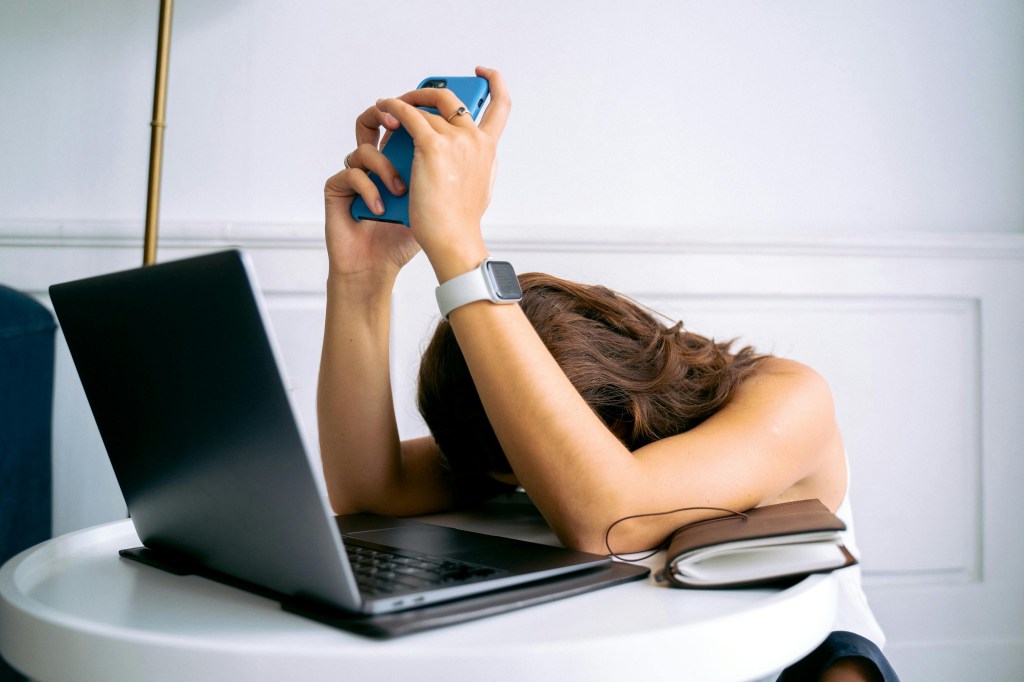
Do you ever feel like you’re running on fumes juggling work, family, and a million other things with nothing left for you?
Burnout has become a silent epidemic. We keep showing up for everyone else but rarely make time, let alone have the energy, to show up for ourselves.
The good news is that we don’t need a major upheaval in our daily lives to start feeling better, though the idea of a weeklong retreat in the mountains does sound nice. You don’t need it though.
If we focus on making small shifts in our routine, they create ripple effects that create noticeable change over time.
Here are 5 small but mighty habits that’ll help refill your cup physically, mentally, and emotionally by this time next week.
1. Start Your Mornings With Light + Intention

Morning light helps regulate your circadian rhythm which supports better sleep, mood, and energy throughout the day [1]. It helps increase cortisol levels in the morning which boost alertness and dampen melatonin which can cause grogginess [2][3].
If you start the day feeling alert, you have more bandwidth to deal with whatever you need to tackle today.
Try this: Open your curtains or step outside for 5–10 minutes of natural light as soon as you wake up. Or use a sunrise alarm to help you get moving if you feel stuck in bed.
While you’re there, take a few deep breaths and set one intention for the day like, “I give myself permission to rest.”
If these are the only five minutes you have to yourself today, you’ve just set yourself up for an energized morning and a more restful sleep later tonight.
2. Hydrate BEFORE you Caffeinate
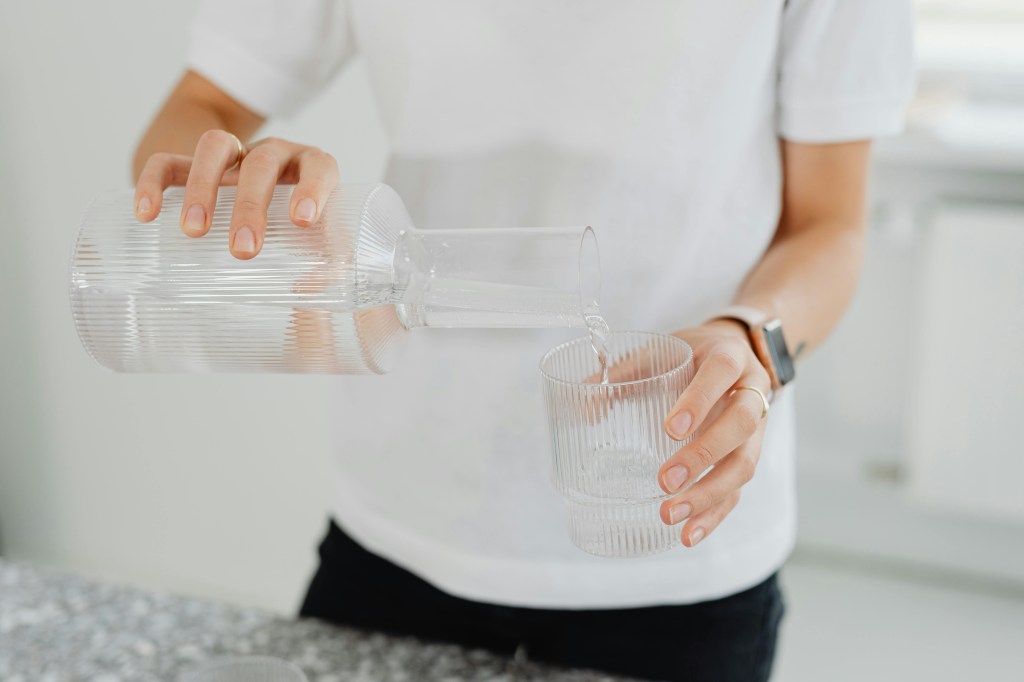
The sluggishness you feel in the mornings might not be from lack of caffeine, it could be dehydration. Even minor levels of dehydration may affect your cognitive functioning and can lead to dips in your energy, memory and attention [4][5].
Your body loses water overnight, so before you fill up your cup of coffee, give yourself a much needed energy boost with water.
Try this: Drink a full glass (8–16 oz) of water within 15 minutes of waking up. Add lemon or sea salt for an extra mineral boost.
Refill your bottle the night before so you have no excuse to skip it. I keep mine right by my coffee maker so I can’t miss it!
3. Take a Five-Minute Movement Break
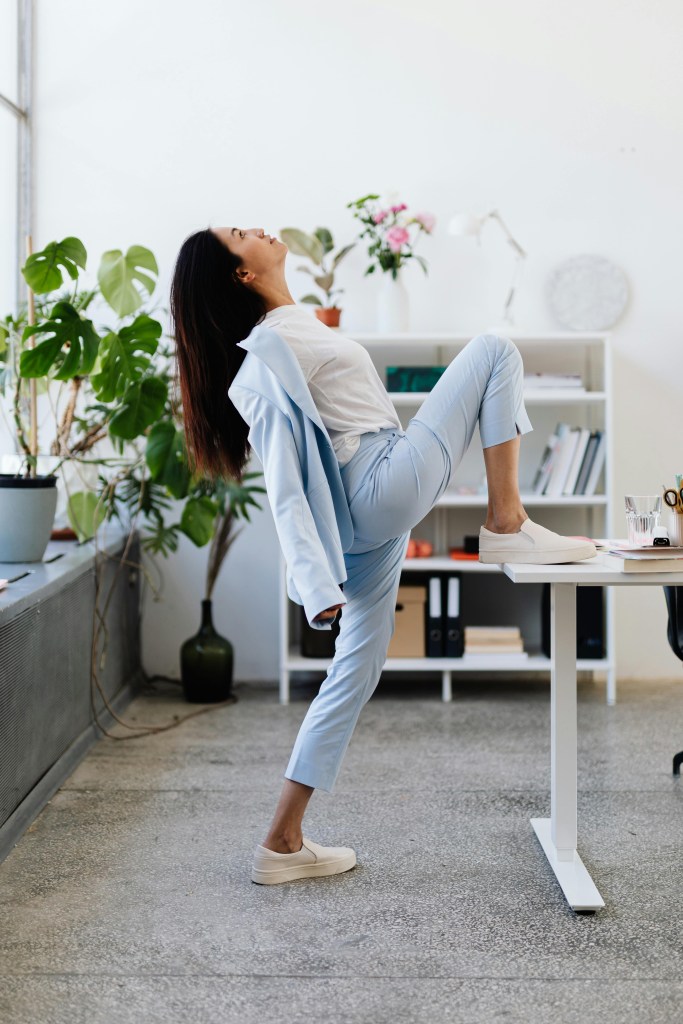
You don’t need a 60-minute HIIT class to feel better. You just need to move.
Something as simple as washing some dishes while watching a show instead of sitting through it can have positive effects on your physical health over time. [6] [7].
Getting in physical activity (ANY kind of physical activity) can also have a huge impact on your mental health. A study done on 1.2 million Americans showed people who exercised regularly had 43% less poor mental health days in a month compared to people who didn’t exercise at all [8].
It can be hard to fit in exercise when you’re running on fumes. But starting small and getting in what you can is better than nothing.
Try this: Fit the physical activity in whenever you can. Stretch when you first wake up and right before getting into bed. Take a 5-10 minute walk at the start of your lunch break. Take the stairs. Stand up and pace around while you doomscroll.
Any movement you get in will benefit you and the effects will compound over time.
4. Put Your Phone “To Bed” Before You
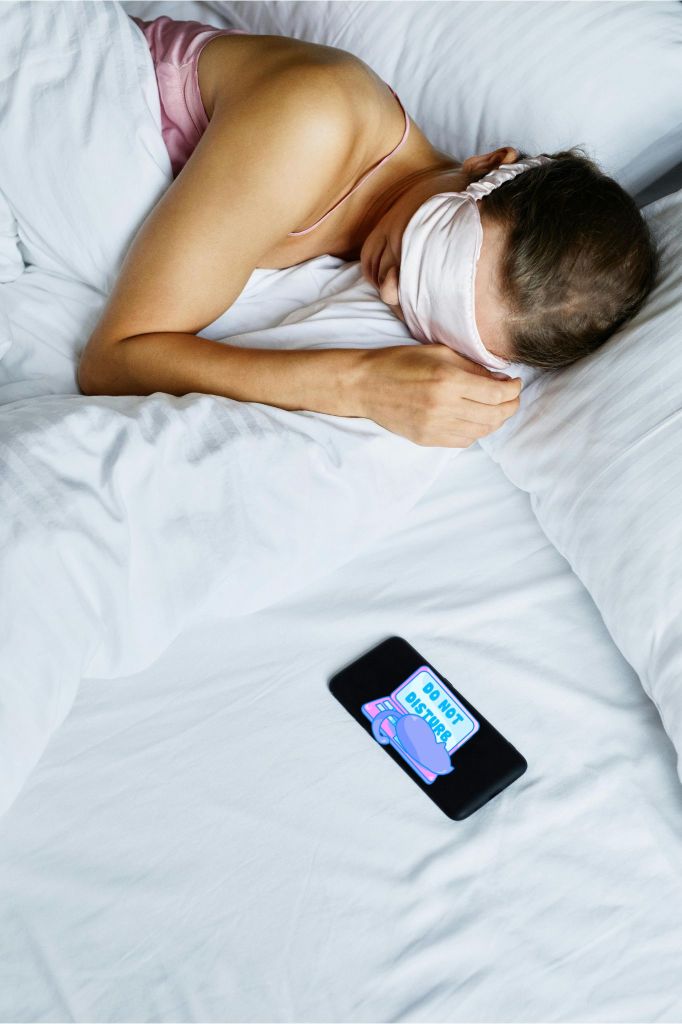
Blue light suppresses melatonin production which can mess with your sleep schedule and may be linked to other health conditions, such as diabetes, obesity and cardiovascular disease. [10], [11].
Not to mention that all constant scrolling at night keeps your mind racing. All that combined leads to a harder time to fall asleep and a less refreshed you in the morning.
Creating boundaries around tech is a great way for you to calm your nervous system.
Try this: Create a screen curfew 30 minutes before bed. Use whatever works for you to block out that time, whether it be the screen limit option on your phone or physically setting it aside in a specific area 30 minutes before bed. Use that time to journal, stretch, or read something printed on actual paper.
It can be SOOO difficult to let go of that phone, but trust me it will be worth it. Your sleep, and sanity, will thank you.
5. Do One Thing That’s Just for You
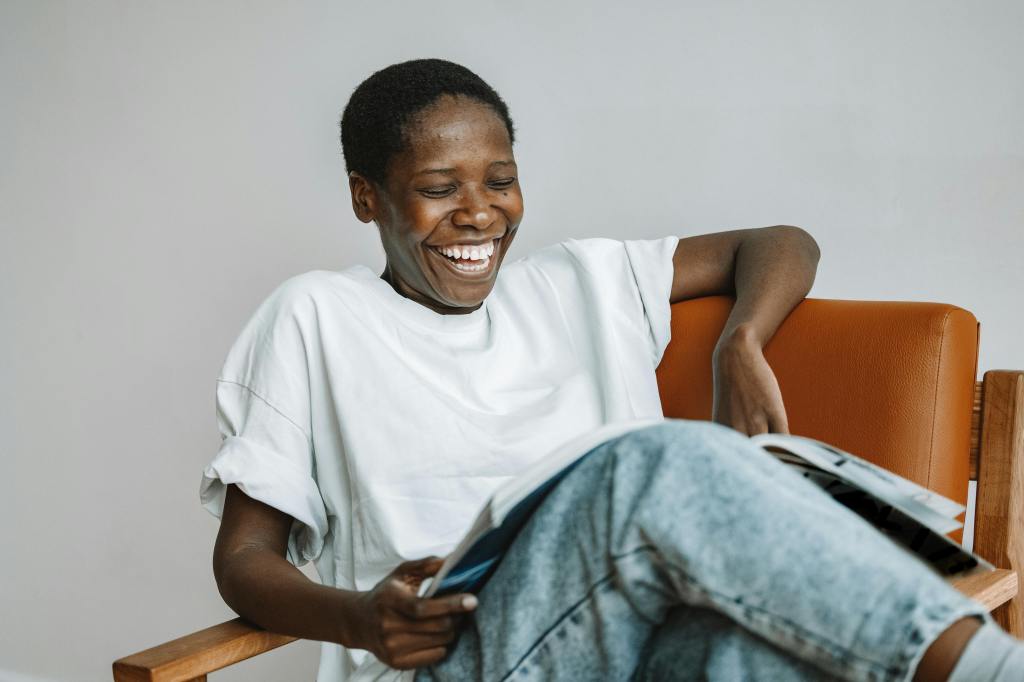
YOU MATTER TOO. You can’t expect to replenish yourself if you’re the last thing on your list. You need to take care of yourself too, and that’s okay.
While setting time aside for self care doesn’t solve your problems or take care of the responsibilities you have, it can help improve your perception of stress [12], [13]. This makes you more resilient against whatever the world throws at you.
Try this: Find 5 free minutes in your day and set that time aside for joy.Take a few deep breaths, dance to your favorite song, massage your temples, make your favorite tea, do some guilt free window shopping, etc.
It doesn’t have to be the same thing every day. Just make sure it’s something you’re doing for you.
And remember, it doesn’t matter how small of an effort you make, as long as you make an effort to take care of yourself for the day.
If you’re already feeling stretched too thin, the last thing you need is to throw another expectation onto yourself to get in hour-long workouts or to meditate for 30 minutes a day.
You deserve to care for yourself, and it doesn’t have to be dramatic to be effective. Start with one, tiny little habit today.
Try it again tomorrow, then the next day and the next. By this time next week you might just start feeling like yourself again.
References:
- Brandon Peters, M. (2024, October 11). Why getting morning sunlight can help you sleep better at night. Verywell Health. https://www.verywellhealth.com/morning-sunlight-exposure-3973908
- Leproult, R., Colecchia, E. F., L’Hermite-Balériaux, M., & Van Cauter, E. (2001). Transition from dim to bright light in the morning induces an immediate elevation of cortisol levels1. The Journal of Clinical Endocrinology & Metabolism, 86(1), 151–157. https://doi.org/10.1210/jcem.86.1.7102
- Mead M. N. (2008). Benefits of sunlight: a bright spot for human health. Environmental health perspectives, 116(4), A160–A167. https://doi.org/10.1289/ehp.116-a160
- Benton, D., Jenkins, K. T., Watkins, H. T., & Young, H. A. (2016). Minor degree of hypohydration adversely influences cognition: a mediator analysis. The American journal of clinical nutrition, 104(3), 603–612. https://doi.org/10.3945/ajcn.116.132605
- Chard, A. N., Trinies, V., Edmonds, C. J., Sogore, A., & Freeman, M. C. (2019). The impact of water consumption on hydration and cognition among schoolchildren: Methods and results from a crossover trial in rural Mali. PloS one, 14(1), e0210568. https://doi.org/10.1371/journal.pone.0210568
- Simon, S. (2019, March 25). Even light levels of physical activity provide benefits. American Cancer Society. https://www.cancer.org/research/acs-research-news/even-light-levels-of-physical-activity-provide-benefits.html
- Rees-Punia, E., Evans, E. M., Schmidt, M. D., Gay, J. L., Matthews, C. E., Gapstur, S. M., & Patel, A. V. (2019). Mortality risk reductions for replacing sedentary time with physical activities. American Journal of Preventive Medicine, 56(5), 736–741. https://doi.org/10.1016/j.amepre.2018.12.006
- Chekroud, S. R., Gueorguieva, R., Zheutlin, A. B., Paulus, M., Krumholz, H. M., Krystal, J. H., & Chekroud, A. M. (2018). Association between physical exercise and mental health in 1·2 million individuals in the USA between 2011 and 2015: A cross-sectional study. The Lancet Psychiatry, 5(9), 739–746. https://doi.org/10.1016/s2215-0366(18)30227-x
- Netz Y. (2017). Is the Comparison between Exercise and Pharmacologic Treatment of Depression in the Clinical Practice Guideline of the American College of Physicians Evidence-Based?. Frontiers in pharmacology, 8, 257. https://doi.org/10.3389/fphar.2017.00257
- Blue Light has a dark side. Harvard Health. (2024, July 24). https://www.health.harvard.edu/staying-healthy/blue-light-has-a-dark-side
- West, K. E., Jablonski, M. R., Warfield, B., Cecil, K. S., James, M., Ayers, M. A., Maida, J., Bowen, C., Sliney, D. H., Rollag, M. D., Hanifin, J. P., & Brainard, G. C. (2011). Blue light from light-emitting diodes elicits a dose-dependent suppression of melatonin in humans. Journal of applied physiology (Bethesda, Md. : 1985), 110(3), 619–626. https://doi.org/10.1152/japplphysiol.01413.2009
- Myers, S. B., Sweeney, A. C., Popick, V., Wesley, K., Bordfeld, A., & Fingerhut, R. (2012). Self-care practices and perceived stress levels among psychology graduate students. Training and Education in Professional Psychology, 6(1), 55–66. https://doi.org/10.1037/a0026534
- Ayala, E. E., Winseman, J. S., Johnsen, R. D., & Mason, H. R. (2018). U.S. medical students who engage in self-care report less stress and higher quality of life. BMC Medical Education, 18(1). https://doi.org/10.1186/s12909-018-1296-x
 Attempting Health
Leave a comment