
There are a lot of “health” foods lining the supermarket aisles right now that are really just hype. They have buzzwords like “gluten free” “low calorie” or “vegan” plastered over the labels to make it seem like you’re making a good decision, but don’t actually support your wellness goals.
As someone who painstakingly interrogates every label I see before I purchase, I’ve learned which trendy health foods actually deserve a spot in your shopping cart and which ones are just draining your wallet.
Here are six popular “healthy” foods you can skip:
1. Pre-Made Smoothies and Juices
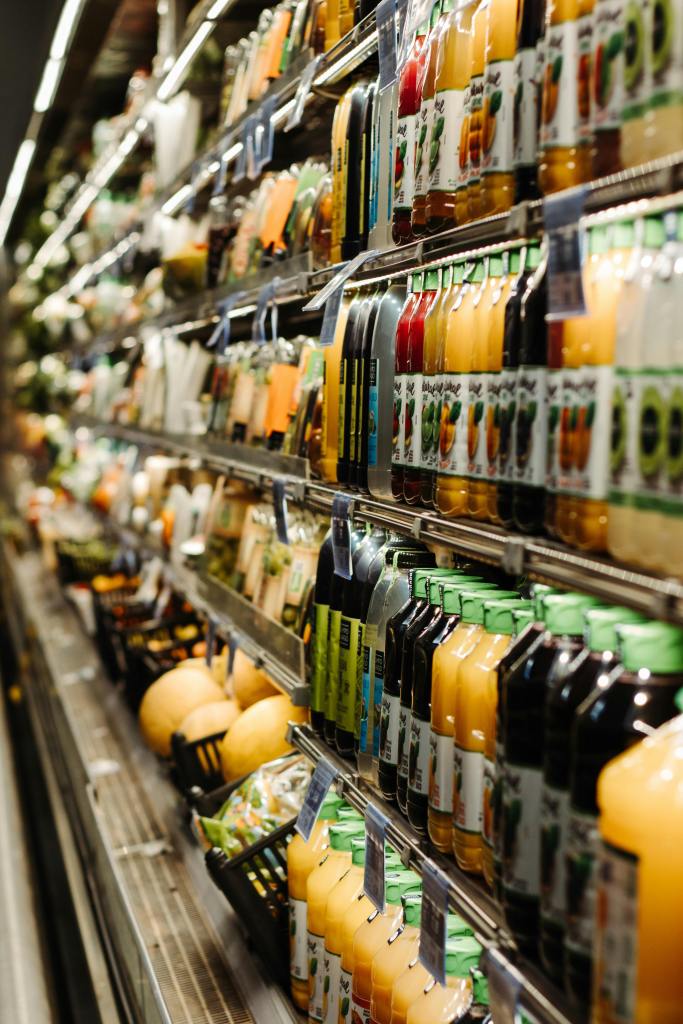
As much as I love a good smoothie or cold pressed juice, that $8 bottle you’re eyeing in the refrigerated section is most likely LOADED with sugar, with some brands having as much as 30+ grams of sugar per bottle!! At that point, just give in and have that soda you were craving.
Buy this instead: The good news is a lot of brands are popping up with better quality beverages every day! Here are some alternatives to try out:
- Trader Joe’s Organic Cold Pressed Green Juice Beverage (4g sugar)
- Suja Organic Turmeric Love Cold Pressed Juice Drink (5g sugar)
- Honest Kids Juice Drink Organic Super Fruit Punch (9g sugar)
The better alternative is to buy whole fruits and vegetables and make the smoothie yourself. That way, you control the ingredients and know exactly what you’re consuming. A bag of frozen berries costs about the same as one store bought juice but gets you multiple servings, so you save a couple bucks too!
2. “Superfood” Powders and Supplements

Açai, moringa, spirulina, whatever new mushroom strain is cool now, etc. All these exotic-sounding powders promise miraculous health benefits and come with a nice premium- usually $15-20 per container.
While studies do show that supplementing with some of these superfoods can be advantageous, the research also shows most benefits can be achieved through everyday whole foods at a much cheaper cost.
Buy this instead: Regular, nutrient-dense foods. Fill your plate with as many whole foods as you can to maximize the benefits you get. Here are some a few examples you can start working into your meals:
- Berries (blueberries, blackberries)- high in polyphenols which have powerful antioxidant and antiinflammatory properties
- Leafy greens (spinach, kale, romaine lettuce, etc.)- rich in vitamin A, C, K, and folate and antiinflammatory and anti-cancer properties
- Nuts and seeds (Walnuts, pumpkin seeds)- healthy source of fats, ALA Omega 3s, zinc and vitamin E
- Garlic, onions– sulphur containing foods that are antibacterial, antiviral, antioxidants and anti inflammatory
- Turmeric and Ginger– contain curcumin and gingerols which are powerful anti inflammatory properties
- Bell peppers and citrus fruits(oranges, lemons, grapefruit, etc.)- great source of Vitamin C and flavonoids, which are antioxidants and support immune function
- Fatty fish (salmon, sardines)- high in omega-3s such as EPA/DHA which help with brain function, reduce inflammation and are good for your heart
- Fermented foods (greek yogurt, kombucha, kimchi, sauerkraut)- help support a healthy gut microbiome and improve immune function
These accessible foods contain similar antioxidants and nutrients as their “super” counterparts at a fraction of the cost. Remember, consistency with the basics beats the occasional splurge on trendy ingredients!!
3. Gluten-Free Products (When You Don’t Need Them)

Unless you have celiac disease or a diagnosed gluten sensitivity, the heavily marketed gluten-free breads, pastas and snacks aren’t doing your health or budget any favors (especially when they typically cost 2-3x the price of regular versions).
Many gluten-free alternatives get filled with sugar, sodium, and processed ingredients to compensate for taste and texture.
Buy this instead: Whole grains like brown rice, quinoa, and oats.
These are naturally gluten-free if you’d like to avoid gluten, but more importantly, they’re nutrient-rich and budget-friendly!
Pay attention to the labels on these products to make sure they’re certified gluten free, as there can be cross contamination with gluten containing products at processing facilities.
If gluten isn’t a medical issue for you, choose whole wheat options that cost less and often contain more fiber.
4. Vitamin-Infused Waters

There’s a huge variety of colorful beverages that promise hydration plus nutrition, but at $2-4 per bottle, you’re mostly paying for sugar water with minimal vitamin content that your body may not even absorb effectively.
Buy this instead: Regular water and add in your own flavor! You can use sliced fruits, cucumbers, or berries to add a delicious and nutritious boost to your bev.
If you’re concerned about vitamins, a basic multivitamin costs pennies per day compared to what you’d spend on vitamin waters.
There are also some electrolyte powders you can use which deliver on the nutrients without the extra junk! Here are some brands to check out:
- Santa Cruz Paleo Electrolyte Powder
- Buoy Hydration Drops
- LMNT Zero-Sugar Electrolytes Sports Drink
5. “Low-Fat” Packaged Foods
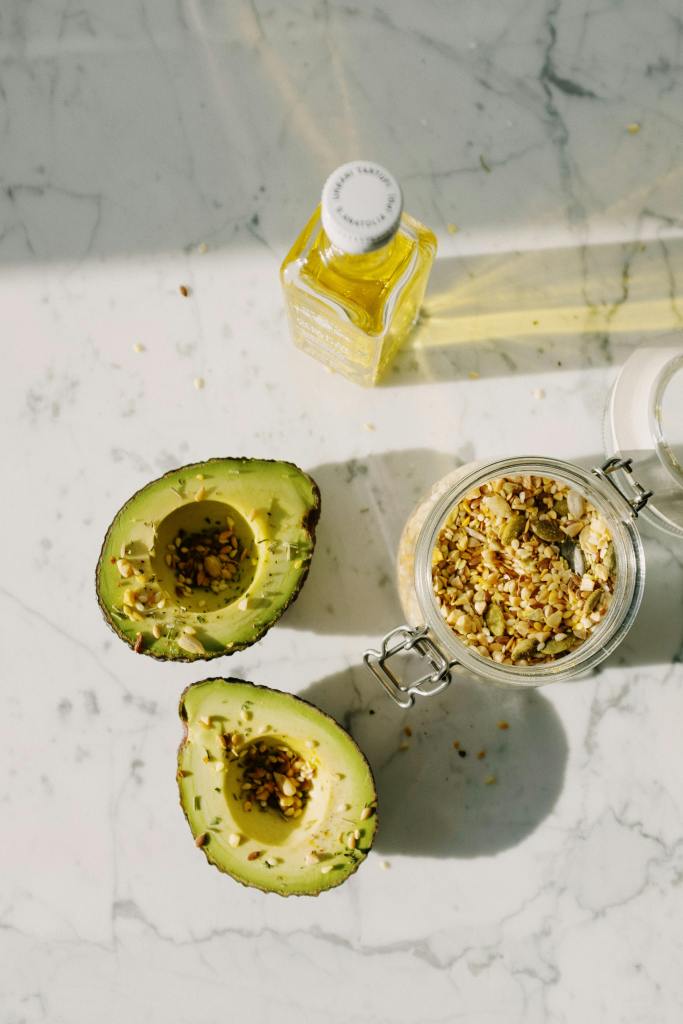
When fat is removed, something has to replace it. That usually ends up being sugar, salt, and other additives.
These products often leave you less satisfied while costing more than their regular counterparts. (and have you reaching for more food later on anyways!)
Buy this instead: Moderate amounts of real, whole foods with natural fats that keep you full.
Avocados, nuts, olive oil, and Greek yogurt are all great choices to keep stocked and ready to eat when hunger hits. These foods keep you fuller for longer and provide essential nutrients your body actually needs.
6. Pre-Packaged “Diet” Meals
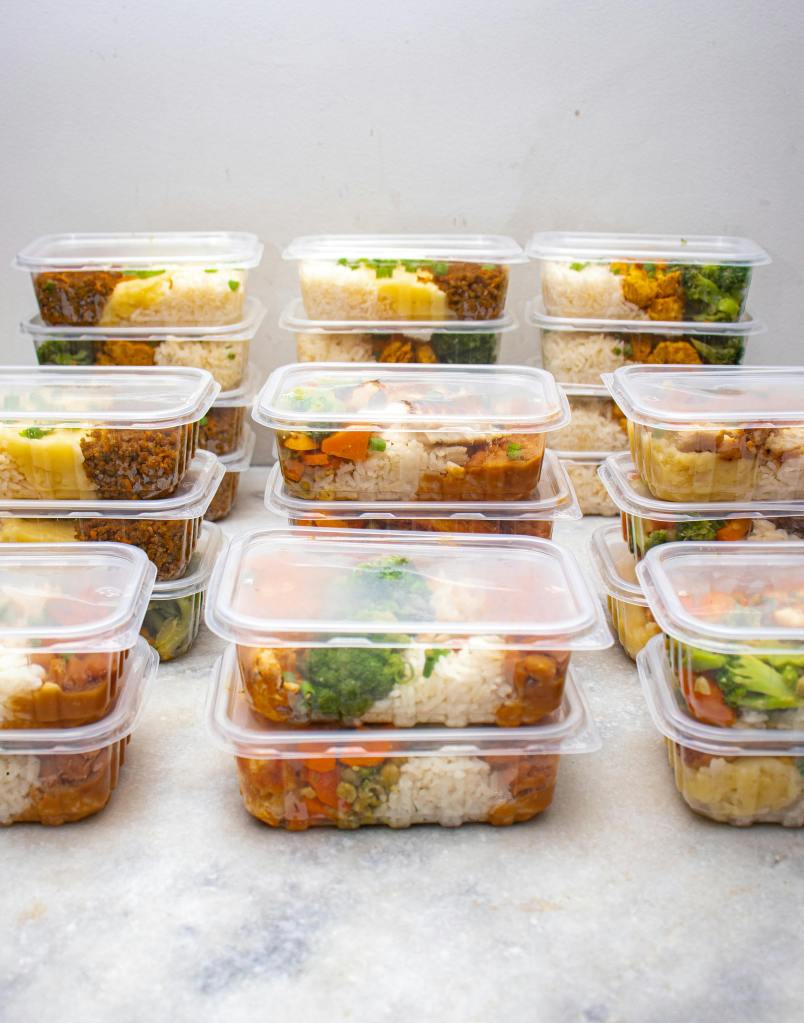
I don’t know what your algorithm has been feeding you lately, but I get flooded with ads for premade frozen meal services.
Stockpiling 300-calorie frozen diet meals might seem like a great solution for weight loss, but they typically lack adequate protein and fiber while containing excessive sodium, plus other filler ingredients.
Price per meals can vary widely, usually around $8-15 per each, which is a pretty expensive way to stay hungry.
Buy this instead: Meal prepping is the way to go here.
Now, you don’t have to prep EVERY single meal, you can start with just prepping lunch, for example.
A great way to start is by making some simple meals like chili, stir-fries, or sheet pan dinners with lean proteins, beans, and vegetables. Portion it out into containers for grab-and-go lunches.
Now you have a week’s worth of healthy meals that cost a fraction of what the pre-made meals cost, while providing actual satisfaction!
Good nutrition shouldn’t be complicated or expensive, no matter how many fancy health and wellness claims get thrown out there.
The healthiest foods are often the simplest ones. If it’s a whole ingredient that your grandmother would recognize or your kids can pronounce, then you’re probably making a good choice.
Take a look at what’s in your kitchen now and see where you can make some swaps. By redirecting your budget from trending products to nutrient-dense basics, you’ll be saving money and probably getting closer to hitting your health and wellness goals.
And always remember, the best “health food” is the one you’re actually gonna eat consistently, not the one with the nicest packaging or the biggest health claims.
Have you been caught up with any health food hype recently? Anything you’re tossing to the side now?
Let me know in the comments below!


 Attempting Health
Leave a comment